


As a doctor, I can tell you that stress has reached pandemic levels, though many still hold back from admitting it to themselves or their peers. Our normalcy bias prevents us from taking notice that tens of millions of people in Western countries are dropping like flies from illness, depression and self-destruction. I came across this article by David Kupelain on Americans’ health and agreed with some of the observations made about the dire ...
Continue Reading →
1
MAY
MAY
7
Share

 I walked into a bookstore of a small Canadian town in 2005 and asked for a true crime story where a doctor was involved. I thought that perhaps it would help me to understand better pathological personalities and how insidious they are in our society, including the medical community. A few seconds later the guy brought me,
 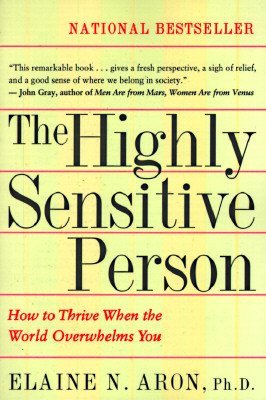 by Elaine Aron was published nearly 10 years ago and it has changed the life of thousands of readers. Just imagine, a highly sensitive person (HSP) may think of herself or himself as an inborn introvert, neurotic or shy person, or as if she or he has some sort of problem and when a non-HSP psychologist or even when the average non-HSP person describes sensitive individuals according ...